
The Journey of Helen Githens
A life and legacy preserved in photos and memories by her daughter and longtime Githens Center Board Member Gail Slack
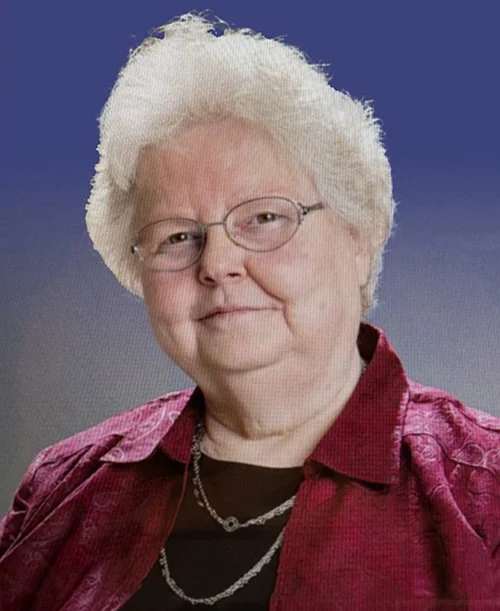
Gail Slack, longtime Board Member of Githens Center and daughter of Helen Githens
Gail Slack, a longtime Board Member of Githens Center in Mt. Holly, New Jersey, passed away in November 2025. But in her passing, Gail left behind a rich collection of photos and memories, preserving her mother’s legacy and the founding of the Githens Center.
Daughter of the late Howard and Helen Githens, Gail was a lifelong Southampton resident. In 1977, she became a member of the Board of Directors of Githens Center, then a private school for developmentally disabled children and youth, where she served as Secretary of the Board for 41 years.
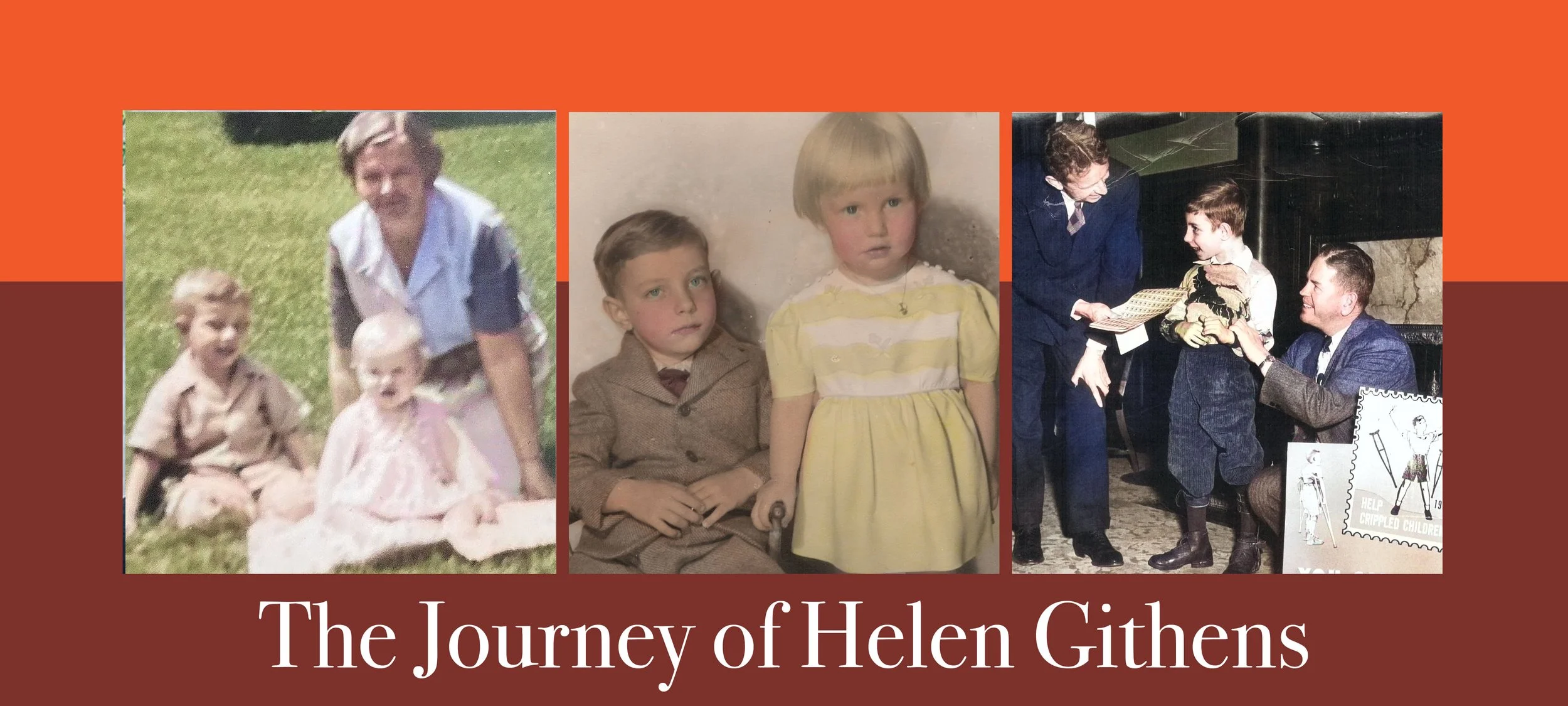
As the parent of a child with disabilities, Helen’s commitment was both deeply personal and profoundly purposeful. She began her pioneering efforts by teaching several children in her own home, creating opportunities where none existed.
During her tenure, Githens Center transformed into an agency that now focuses on helping adults with disabilities live fuller, more independent lives. Under her and the Board’s leadership, Githens Center’s approach became based on person-centered care that focused on independence, inclusion and dignity, supportive of both individuals and their families.
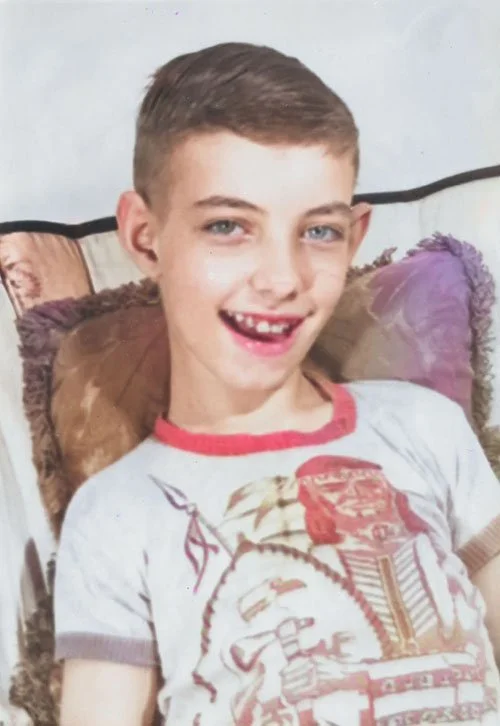
Jimmy Githens
The Inspiration of Jimmy Githens
The story of Githens Center traces back to the early 1950s, when a young college student, Helen Maurer Githens, authored a master’s thesis titled “Burlington County Children Excluded from School.” At the time, many children with cerebral palsy in New Jersey had little to no meaningful access to public education—a reality that would shape the course of her life’s work.
As the parent of a child with disabilities, Helen’s commitment was both deeply personal and profoundly purposeful. She began her pioneering efforts by teaching several children in her own home, creating opportunities where none existed.
Helen and her husband, Howard, soon welcomed a young child named Jimmy into their home, ultimately adopting him as a toddler. Jimmy experienced developmental challenges and was later diagnosed with cerebral palsy. Though his life was brief—he passed away at the age of 20—his impact was enduring. Helen recognized in Jimmy a bright, curious mind and a genuine eagerness to engage with the world. His spirit became a catalyst, strengthening her resolve to ensure that children like him would not be overlooked or underserved.
From that deeply personal mission, Helen’s broader vision began to take shape. Together with orthopedic specialist Dr. E. Vernon Davis, she co-founded what was then known as the Burlington County Cerebral Palsy Association—laying the foundation for what would later become Githens Center.
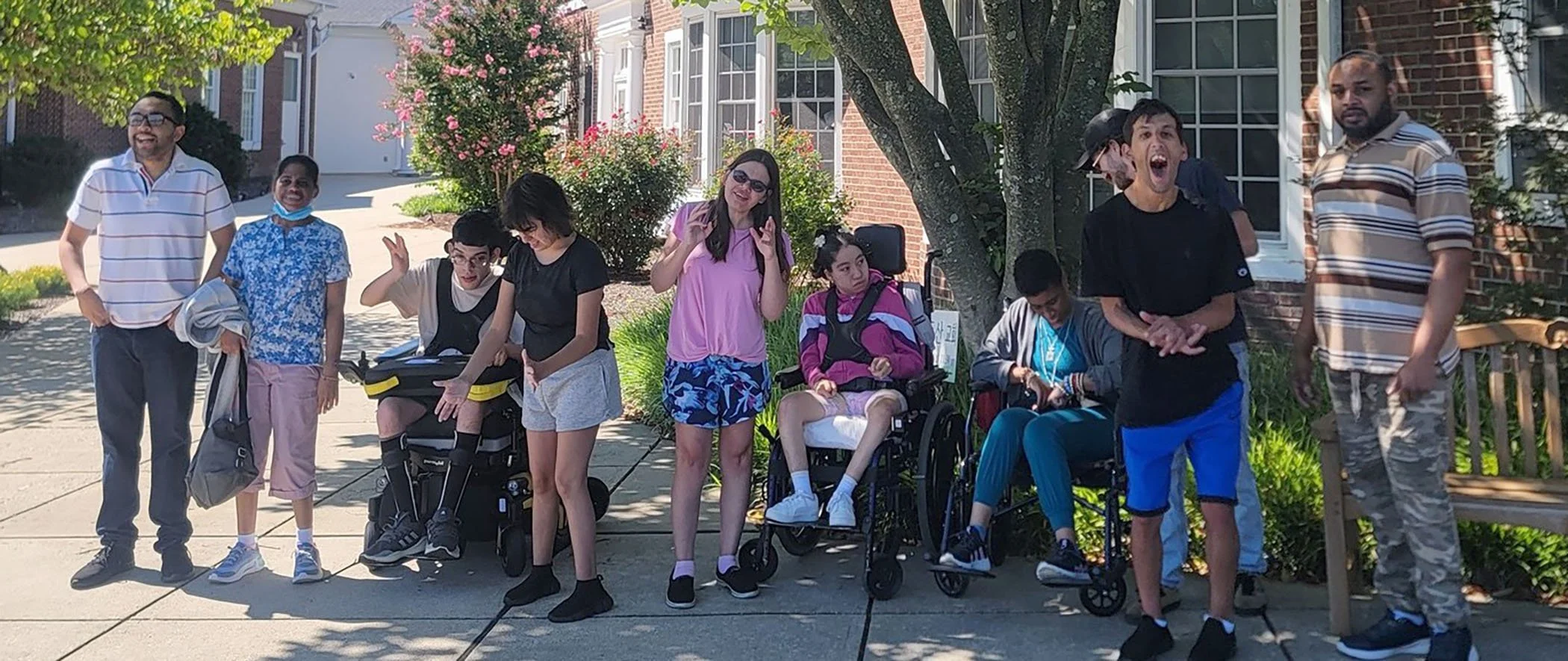
Through the unwavering dedication of its founders, Githens Center evolved into an organization defined by compassion, innovation, and excellence.
The Emergence of Githens Center
For many years, the organization was referred to by its legal name, the Burlington County Cerebral Palsy Association. Over time, however, the name “Githens Center” was introduced as its public-facing identity—both to honor Helen’s legacy and to reflect an expanding scope of services that reached beyond cerebral palsy alone.
The organization’s earliest days were marked by modest but meaningful progress. In May 1951, its first Diagnostic Clinic screened just six individuals. By September of that same year, physical therapy services had begun, offered for a half-day each week. These small beginnings would soon give way to steady and purposeful growth.
Through the unwavering dedication of its founders, Githens Center evolved into an organization defined by compassion, innovation, and excellence. Generations of staff, volunteers, and supporters have carried that mission forward, each contributing to its continued growth and impact.
In later years, Gail Slack reflected on her mother’s journey with quiet wisdom: “There is always a reason why things happen in our lives, even if we ourselves don’t immediately know why.”